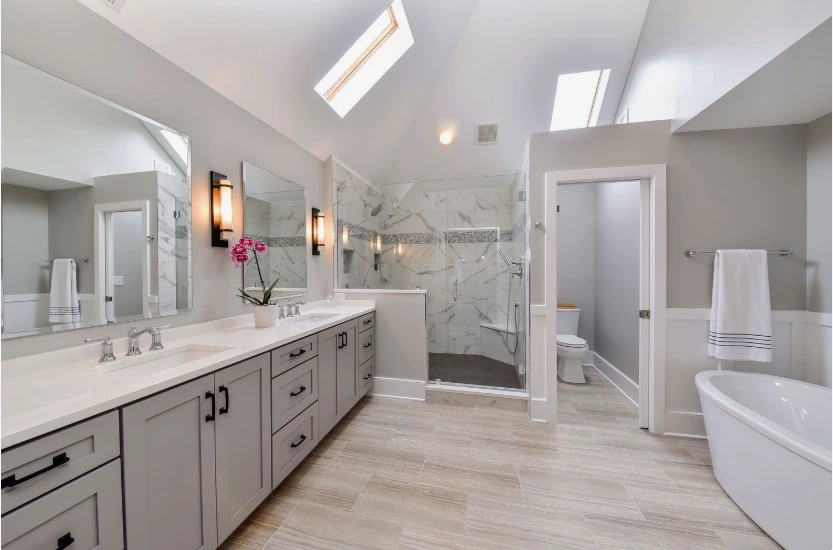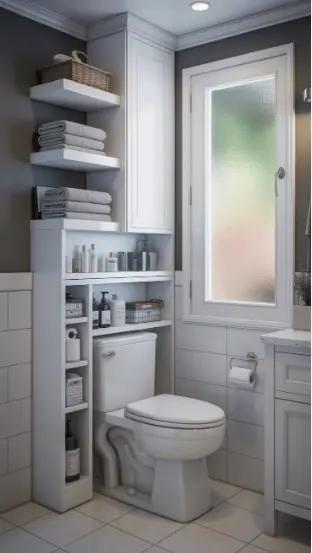

Planning a bathroom renovation is exciting, but one of the first questions most homeowners ask is: How much does a bathroom remodel cost in Memphis, TN?
The answer depends on the size of your bathroom, the condition of the existing space, the materials you select, and how much work you want to complete. Replacing an old vanity and updating the flooring will require a different budget than removing an existing bathtub, installing a custom shower, replacing plumbing fixtures, and renovating the entire room.
For Memphis homeowners, a basic bathroom update may cost considerably less than a complete renovation. Regional 2026 cost references place smaller cosmetic projects around $6,500–$12,000, tub-to-shower conversions around $9,500–$17,000, and full bathroom remodels around $15,000–$24,000 or more. These are general planning estimates, not fixed contractor prices. Your actual project cost will depend on its specific requirements.
At Desoto’s On Call Handyman, we provide bathroom remodeling services for homeowners in Memphis, Bartlett, West Memphis, Southaven, Hernando, Olive Branch, and surrounding areas. Understanding the costs involved can help you decide which upgrades fit your home and budget before starting your renovation.
How Much Does a Bathroom Remodel Cost in Memphis?
Bathroom remodeling costs can vary significantly depending on whether you want to update a few features or replace nearly everything in the room.
Here is a general breakdown of Memphis-area bathroom remodeling budget ranges for 2026:
| Type of bathroom remodel | Estimated planning range | Common project details |
|---|---|---|
| Cosmetic bathroom update | $6,500–$12,000 | New vanity, fixtures, paint, mirror, and selected flooring updates |
| Tub-to-shower conversion | $9,500–$17,000 | Removing an existing tub and installing a walk-in shower |
| Shower-focused remodel | $11,500–$20,000 | Shower replacement, wall finishes, waterproofing, and related updates |
| Full bathroom remodel | $15,000–$24,000+ | Broader renovation involving flooring, vanity, shower or tub, fixtures, and other finishes |
These ranges are general regional budgeting references. They do not represent a quote from Desoto’s On Call Handyman. Larger bathrooms, premium materials, plumbing relocation, structural repairs, and unexpected damage can increase the total.
The best way to understand your bathroom remodeling cost is to determine exactly which features need to be changed.
What Can You Get for Different Bathroom Remodeling Budgets?
Before deciding how much to spend, consider what you want your renovated bathroom to accomplish.
1. Cosmetic Bathroom Updates
A cosmetic bathroom update focuses on improving the appearance of an existing bathroom without completely changing its layout.
Common improvements include:
- Replacing an outdated bathroom vanity.
- Installing a new sink and faucet.
- Updating mirrors and lighting fixtures.
- Repainting walls and ceilings.
- Replacing selected flooring materials.
- Updating cabinet hardware and bathroom accessories.
This approach can be suitable when the bathroom layout works well, the plumbing is in acceptable condition, and the shower or bathtub does not need major repairs.
Keeping existing plumbing connections and avoiding unnecessary demolition can help control project costs.
2. Partial Bathroom Remodeling
A partial bathroom remodel focuses on one or two important areas instead of renovating the entire room.
For example, you might replace an old bathtub with a walk-in shower while keeping the existing vanity, toilet, and flooring.
Other partial remodeling projects may include:
- Replacing an old shower.
- Installing a new bathroom vanity.
- Updating bathroom floor tiles.
- Replacing outdated faucets and fixtures.
- Improving bathroom lighting.
- Repairing damaged walls or flooring.
A partial renovation allows homeowners to address their biggest concerns without paying for upgrades they do not currently need.
3. Complete Bathroom Remodeling
A complete bathroom remodel involves updating several major parts of the room. Depending on the project, this may include removing old materials, installing new flooring, replacing the shower or bathtub, updating the vanity, and improving lighting and plumbing fixtures.
A full renovation may also involve:
- New shower walls and waterproofing.
- Updated bathroom cabinets and countertops.
- New toilet and plumbing fixtures.
- Improved ventilation.
- New lighting arrangements.
- Repairs to damaged subflooring or wall framing.
- Changes to the bathroom layout.
The final price depends on the size of the room, material selections, labor requirements, and the condition of the existing bathroom.
What Factors Affect the Cost of a Memphis Bathroom Remodel?
Two bathrooms of similar size can have very different renovation costs. The reason is that remodeling involves more than purchasing new fixtures and materials.
Here are the major factors that can affect your bathroom remodeling budget.
1. Bathroom Size and Layout
The size of your bathroom influences how much material and labor the project requires.
A small guest bathroom may need fewer flooring materials, wall finishes, and fixtures than a large primary bathroom with a separate bathtub and shower.
The existing layout also matters. Keeping the toilet, shower, bathtub, and sink in their current positions can reduce the amount of plumbing and construction work involved.
Changing the layout may require additional labor, new plumbing connections, and adjustments to electrical or ventilation systems.
2. Shower or Bathtub Installation
The shower or bathtub is often one of the most important parts of a bathroom renovation.
Replacing an existing bathtub with a walk-in shower may involve:
- Removing the old bathtub.
- Preparing the shower area.
- Installing a shower base or pan.
- Adding appropriate waterproofing.
- Installing shower walls or tile.
- Updating shower fixtures.
- Completing the surrounding finishes.
A standard shower installation generally requires fewer custom details than a large walk-in shower with specialized tile, built-in niches, custom glass, and additional accessories.
If your existing bathtub or shower is in good condition, keeping it and updating other bathroom features may be a more budget-friendly approach.
3. Flooring and Tile Selection
Bathroom flooring must handle regular moisture exposure, cleaning, and everyday use.
Common bathroom flooring options include:
- Ceramic tile.
- Porcelain tile.
- Luxury vinyl flooring designed for bathroom use.
- Natural stone.
- Other suitable water-resistant flooring products.
Material prices vary depending on the type, quality, size, pattern, and finish.
Installation costs also depend on the condition of the existing floor. If old flooring needs to be removed or the subfloor requires repair, the project may become more expensive.
Tile installation can involve additional work because the installer may need to prepare the surface, plan the layout, cut materials, apply setting materials, and complete grouting.
4. Bathroom Vanity, Sink, and Countertop
A new vanity can change the appearance and storage capacity of a bathroom.
The cost depends on several choices:
- Vanity size.
- Cabinet material.
- Number of sinks.
- Countertop material.
- Sink style.
- Faucet selection.
- Storage configuration.
A standard pre-manufactured vanity is generally less expensive than a custom-built cabinet with specialized dimensions and finishes.
If the new vanity fits the existing space and uses the same plumbing connections, installation may also be more straightforward.
5. Plumbing and Electrical Work
Plumbing and electrical requirements can have a significant effect on bathroom renovation costs.
Replacing a faucet or showerhead is different from relocating a sink, installing new water lines, or changing the drain location.
Potential plumbing work includes:
- Replacing old faucets and shower fixtures.
- Updating water supply connections.
- Repairing leaking pipes.
- Replacing damaged drain components.
- Adjusting plumbing for a new shower or bathtub.
Electrical improvements may include updating lighting, installing an exhaust fan, or relocating electrical connections.
Any work involving plumbing or electrical systems should be assessed and completed by appropriately qualified professionals according to applicable local requirements.
6. Hidden Water Damage and Mold
One expense homeowners sometimes overlook is damage hidden behind existing bathroom surfaces.
A leaking shower, damaged plumbing connection, or failed waterproofing system can allow moisture to affect the materials behind the walls or beneath the flooring.
During demolition, a contractor may discover:
- Soft or damaged subflooring.
- Deteriorated wall materials.
- Rot around the shower area.
- Leaking plumbing connections.
- Moisture-related damage.
- Conditions requiring professional mold assessment or remediation.
These problems may need to be addressed before installing new materials.
It is important to leave room in your renovation budget for unexpected repairs rather than assuming every surface underneath the existing finishes is in good condition.
How Much Do Individual Bathroom Upgrades Cost?
Some homeowners do not need a complete bathroom renovation. They may only want to replace one outdated feature or repair a specific problem.
The following table explains which parts of a bathroom can affect your budget. Actual prices depend on the materials, labor, project size, and installation requirements.
| Bathroom upgrade | What affects the cost? |
|---|---|
| Bathroom vanity installation | Cabinet size, countertop, sink, faucet, and plumbing |
| Shower installation | Shower size, base, wall materials, waterproofing, and fixtures |
| Bathtub replacement | Tub type, removal, plumbing, and surrounding finishes |
| Bathroom tile installation | Tile material, floor area, surface preparation, and labor |
| Sink and faucet replacement | Fixture selection and existing plumbing condition |
| Bathroom lighting updates | Fixture type, wiring, and installation requirements |
| Bathroom flooring replacement | Flooring material, removal, and subfloor condition |
For an accurate estimate, ask for each part of the project to be explained separately. This makes it easier to understand what you are paying for and compare different remodeling proposals.
Is It Cheaper to Remodel a Bathroom or Only Replace Certain Features?
A complete bathroom renovation is not always necessary.
If your bathroom has a functional layout and most of its major components are in good condition, replacing selected features may be enough.
For example:
Choose a partial remodel when:
- Your existing plumbing is functioning properly.
- The bathtub or shower does not need replacement.
- The bathroom layout already works for your household.
- You mainly want updated flooring, fixtures, or a vanity.
- There are no major signs of hidden water damage.
Consider a complete remodel when:
- Several bathroom features are outdated or damaged.
- The shower or bathtub needs replacement.
- The existing layout does not meet your needs.
- Plumbing or electrical updates are necessary.
- Water damage has affected multiple parts of the room.
- You want to make several improvements in one project.
The right option depends on the bathroom’s current condition and the improvements you want to make.
How Can You Save Money on a Bathroom Remodel in Memphis?
You do not have to choose the most expensive materials or redesign every part of your bathroom to make a meaningful improvement.
A few planning decisions can help control renovation costs.
1. Keep the Existing Bathroom Layout
Moving plumbing connections can increase labor and material requirements.
If your current shower, bathtub, toilet, and vanity are positioned well, keeping them in the same locations may reduce unnecessary work.
2. Prioritize Essential Improvements
Make a list of the problems that need attention first.
For example, repairing a leaking shower, replacing damaged flooring, or installing a functional vanity may be more important than adding decorative features.
Separate necessary repairs from optional upgrades so you can allocate your budget more effectively.
3. Compare Material Options
Bathroom materials are available at different price levels.
You can compare standard ceramic tile, porcelain tile, suitable vinyl flooring, pre-manufactured vanities, and different shower wall materials before making a decision.
Consider installation requirements, cleaning, moisture resistance, and maintenance rather than selecting materials based only on their initial price.
4. Avoid Unnecessary Layout Changes
Changing the location of fixtures may require additional plumbing and construction work.
If your existing arrangement is practical, updating the surfaces and fixtures without changing the layout can be a simpler approach.
5. Address Water Problems Before Installing New Finishes
Covering an existing leak with new tile, flooring, or wall panels can lead to further problems.
Make sure damaged plumbing, failed waterproofing, and moisture-related issues are addressed before completing the visible renovation work.
6. Get a Detailed Remodeling Estimate
Before starting, ask the contractor to explain the project’s scope, materials, labor, removal, installation, and any additional work that may be required.
A detailed estimate helps you understand where the money is going and reduces confusion about what is included.
How Long Does a Bathroom Remodel Take?
The time required for a bathroom remodel depends on the amount of work involved.
A cosmetic update may take less time than a complete renovation involving demolition, plumbing changes, tile installation, and new fixtures.
Common project stages include:
- Planning and material selection: Choosing the fixtures, finishes, flooring, and layout.
- Preparation and demolition: Removing old materials and preparing the work area.
- Plumbing and electrical work: Completing necessary system updates.
- Surface preparation and waterproofing: Preparing floors, walls, and shower areas.
- Installation: Installing the new shower, bathtub, vanity, flooring, and fixtures.
- Finishing work: Completing paint, trim, hardware, and other details.
- Final inspection: Reviewing the completed work and checking that the installed features function properly.
Material availability, unexpected repairs, inspections, and the complexity of the project can all affect the schedule.
Ask for an estimated timeline before work begins and discuss how unexpected conditions could change it.
What Should You Ask Before Hiring a Bathroom Remodeling Contractor?
Choosing a contractor is an important part of planning your bathroom renovation. A detailed conversation before the project begins can help prevent misunderstandings about costs, materials, and responsibilities.
Consider asking these questions:
- What work is included in the remodeling estimate?
- Which materials and fixtures are included?
- Does the estimate cover demolition and disposal?
- Will the existing plumbing locations remain the same?
- How will water damage or hidden repairs be handled?
- Who is responsible for arranging any required permits?
- What is the estimated project timeline?
- How will changes to the original project scope affect the price?
- What payment schedule will be used?
- Who should I contact if I have questions during the project?
Request written details rather than relying only on verbal estimates. Make sure any changes to the project are documented before additional work begins.
Bathroom Remodeling Services in Memphis, Southaven, and Nearby Areas
Whether you are planning a small bathroom update or a more extensive renovation, understanding the project’s requirements is the first step toward setting a realistic budget.
Desoto’s On Call Handyman provides bathroom remodeling services that include tile installation, bathroom vanities, custom showers, lighting, and plumbing updates.
Our service coverage includes:
- Memphis, TN
- Bartlett, TN
- Southaven, MS
- Hernando, MS
- Olive Branch, MS
- West Memphis, AR
If you are comparing bathroom remodeling costs in Memphis or planning a renovation in Southaven, Hernando, or another nearby community, consider the condition of your existing bathroom and the improvements you want to make.
Contact Desoto’s On Call Handyman to discuss your bathroom remodeling project and request an estimate based on your specific needs.
Call (901) 485-2786 or visit Desoto’s On Call Handyman to get started.
Frequently Asked Questions About Bathroom Remodeling Costs
1. How much does a bathroom remodel cost in Memphis, TN?
The cost depends on the size of the bathroom and the scope of work. General 2026 regional planning estimates place cosmetic updates around $6,500–$12,000, tub-to-shower conversions around $9,500–$17,000, and full remodels around $15,000–$24,000 or more. Your actual estimate may be higher or lower depending on materials, labor, plumbing, and existing damage.
2. Can I remodel a bathroom for $5,000 in Memphis?
A $5,000 budget may be suitable for selected improvements, such as replacing a vanity, updating fixtures, repainting, or completing limited repairs. It may not cover a complete bathroom renovation involving a new shower, flooring, plumbing, and multiple fixture replacements.
3. What is the most expensive part of a bathroom remodel?
The most expensive part depends on the project. Shower or bathtub replacement, tile installation, plumbing changes, custom cabinetry, and extensive demolition can account for a significant portion of the total budget.
4. Does replacing a bathtub with a walk-in shower cost less than a full bathroom remodel?
A tub-to-shower conversion can cost less than renovating the entire bathroom because the project focuses on one main area. However, the final price depends on the shower design, waterproofing, plumbing, materials, and whether additional repairs are necessary.
5. Does bathroom size affect remodeling costs?
Yes. Larger bathrooms may require more flooring, wall materials, fixtures, and installation labor. However, the size alone does not determine the final cost. A smaller bathroom with extensive plumbing changes or custom features can still require a substantial budget.
6. Is it cheaper to keep the existing bathroom layout?
In many cases, yes. Keeping the existing shower, toilet, and sink locations can reduce the need for plumbing relocation and additional construction work. This can help control the overall renovation budget.
7. What should I renovate first in an old bathroom?
Start with problems that affect the bathroom’s function and condition, such as leaking plumbing, damaged flooring, poor waterproofing, or ventilation issues. Once these concerns are addressed, you can plan cosmetic improvements such as a new vanity, tile, lighting, and fixtures.
8. How long does a complete bathroom renovation take?
A complete bathroom remodel can take several weeks, depending on the project scope, demolition, plumbing and electrical work, material availability, and any unexpected repairs. Your contractor should provide a project-specific schedule.
9. Does a bathroom remodel require a permit in Memphis?
Permit requirements depend on the work being performed and the local authority having jurisdiction. Cosmetic updates may be treated differently from projects involving plumbing relocation, electrical changes, or structural modifications. Check the applicable local building department requirements before starting work.
10. How can I get an estimate for bathroom remodeling in Memphis?
Start by identifying the areas you want to update, the materials you prefer, and any existing problems that need attention. Contact Desoto’s On Call Handyman at (901) 485-2786 to discuss your project and request an estimate based on the work required.